
The Importance of Graphic Design in Building a Strong Brand
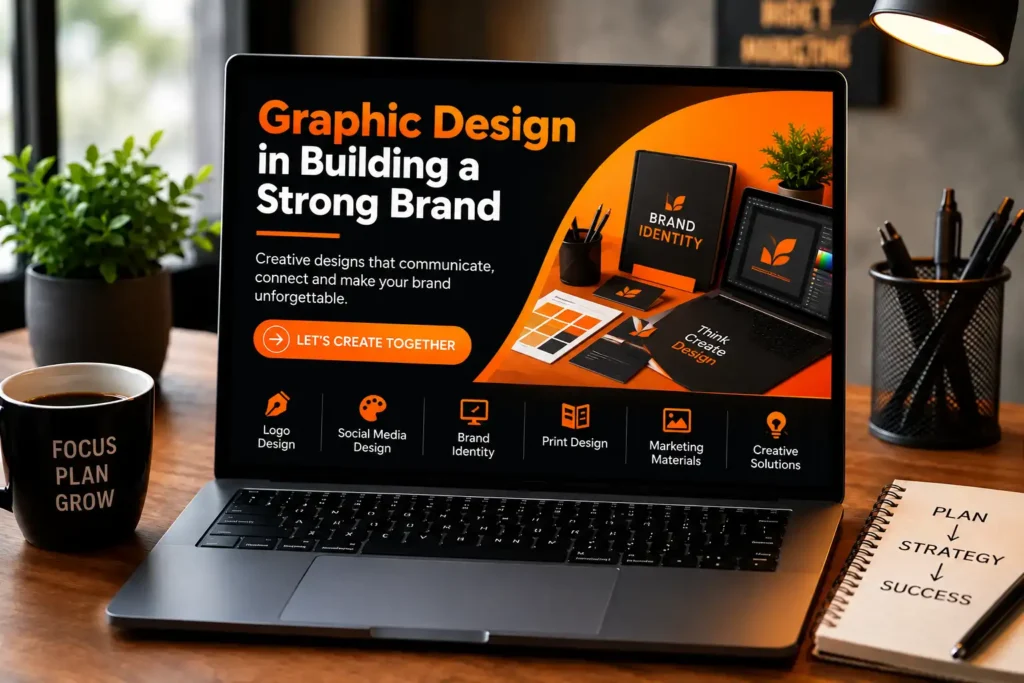
In today’s digital world, people are surrounded by visual content everywhere they go. From social media posts and websites to advertisements, packaging, and business cards, design has become an important part of how businesses communicate with their audience. Before a customer reads your message or learns about your product, they often notice how your brand looks.
This is where graphic design plays an important role.
Graphic design is not simply about choosing attractive colours, fonts, or images. It is about communicating an idea visually and creating a connection between a business and its audience. A good design can make a business look professional, trustworthy, and memorable. On the other hand, poor or confusing design can make even a good business appear less reliable.
For businesses trying to build a strong identity, graphic design is more than decoration. It is a powerful communication tool.
What Is Graphic Design?
Graphic design is the process of combining visual elements such as typography, colors, images, illustrations, shapes, and layouts to communicate a specific message.
You can see graphic design in almost every part of a business. Logos, social media graphics, brochures, posters, advertisements, presentations, websites, product packaging, business cards, and promotional materials all depend on visual communication.
A graphic designer’s job is not just to make something look beautiful. The design should also have a purpose. It should communicate the right message, attract the intended audience, and support the goals of the business.
For example, a children’s clothing brand may use bright colors, playful fonts, and friendly illustrations. A financial company may choose a more professional color palette, clean typography, and a simple layout. The design changes according to the audience, industry, and message.
Why Does Graphic Design Matter for Businesses?
Imagine seeing two advertisements for the same product. One has a clear layout, attractive visuals, readable text, and a professional appearance. The other has too many colors, different fonts, poor-quality images, and confusing information.
Which one would you be more interested in?
This simple example shows how design can influence first impressions.
A business may offer excellent products or services, but if its visual communication does not reflect that quality, potential customers may not immediately recognize its value.
Good graphic design helps businesses communicate professionalism and create a consistent identity across different platforms.
First Impressions Matter
People often form an initial impression of a brand within a very short time. Visual design contributes significantly to that first impression.
A well-designed logo, website, advertisement, or social media post can immediately communicate that a business is organized and professional.
This does not mean that a beautiful design automatically guarantees business success. Design is only one part of a larger marketing strategy. However, strong visual communication can help a business attract attention and encourage people to learn more.
For a new business, this can be particularly important. A professional visual identity can help the business present itself confidently while building recognition over time.
Building a Strong Brand Identity
One of the biggest contributions of graphic design is helping a business develop a recognizable brand identity.
A brand identity includes the visual elements that represent a business, such as
- Logo
- Brand colors
- Typography
- Photography style
- Icons and illustrations
- Social media templates
- Packaging
- Marketing materials
When these elements are used consistently, people can begin to recognize the brand more easily.
Think about brands you see regularly online. You may recognize some of them simply from their colors, typography, packaging, or visual style before even seeing their name.
That recognition does not happen overnight. It develops through consistent communication.
Graphic Design and Social Media
Social media has made visual content more important than ever.
Platforms such as Instagram, Facebook, LinkedIn, and other digital channels are filled with content competing for people’s attention. A business may have only a few seconds to capture someone’s interest.
This is why social media graphic design needs to be clear, attractive, and relevant.
A good social media design should communicate the main idea quickly. It should have a clear visual hierarchy, readable text, suitable imagery, and a style that matches the brand.
For example, a promotional post should make the offer easy to understand. An educational post should organize information clearly. A motivational post may focus more heavily on visual impact and emotional connection.
The purpose of the design should always guide the creative process.
Graphic Design Supports Digital Marketing
Graphic design and digital marketing work closely together.
Digital marketing may bring people to a website, social media page, or advertisement, but visual design can influence how they experience that communication.
Consider a social media advertising campaign. The marketer may identify the target audience, create the campaign strategy, choose the advertising platform, and analyze performance. The designer then creates visuals that communicate the offer effectively.
Both areas need to work together.
A great marketing strategy can struggle if the creative does not communicate the message clearly. Similarly, an attractive design may not deliver meaningful results if it is shown to the wrong audience or used without a clear marketing objective.
This is why effective design should be connected to a broader business goal.
The Importance of Typography
Typography is one of the most overlooked parts of graphic design.
The choice of font can influence how people perceive a brand. Different typefaces can communicate different feelings. Some may appear modern and minimal, while others can feel traditional, elegant, playful, or bold.
However, typography is not only about style. Readability is equally important.
If customers cannot easily read the message, even a visually attractive design can become ineffective.
Good typography considers font selection, size, spacing, alignment, hierarchy, and contrast. These small details can make a major difference in how information is understood.
Choosing the Right Colors
Colors can also influence the visual personality of a brand.
Businesses often choose specific colors to create a recognizable identity and communicate a particular mood. For example, some brands use strong colors to appear energetic and modern, while others use softer colors to create a calm and approachable feeling.
But there is no universal rule that says one color always represents one emotion.
The meaning of color can depend on culture, context, industry, audience, and how the colors are combined.
A good designer therefore chooses colors based on the brand’s purpose rather than simply following trends.
Good Design Is About Communication
One common misunderstanding is that graphic design is mainly about making things look attractive.
Visual appeal is important, but effective design goes further.
A successful design should answer questions such as
- What is the main message?
- Who is the target audience?
- What should the viewer notice first?
- Is the information easy to understand?
- Does the design match the brand?
- What action should the viewer take?
When these questions are considered, design becomes a communication strategy rather than just decoration.
Common Graphic Design Mistakes
Businesses sometimes make simple design mistakes that can affect their communication.
Using too many fonts, overcrowding a layout, choosing low-quality images, using poor color combinations, adding excessive text, or ignoring brand consistency can make a design difficult to understand.
Another common mistake is copying trends without considering whether they fit the brand.
Trends can provide inspiration, but a business should not lose its own identity just to look fashionable.
A strong design should balance creativity with clarity.
The Future of Graphic Design
Graphic design continues to evolve as technology changes. Artificial intelligence, design software, animation, video content, and new digital platforms are creating new opportunities for designers.
However, technology does not remove the need for creative thinking.
Tools can help designers create and edit visual content faster, but understanding people, brands, communication, and visual storytelling remains important.
The designers who continue learning and adapting to new tools while developing their creative and strategic thinking will be better prepared for the changing digital environment.
Final Thoughts
Graphic design has become an important part of modern business communication. From a simple logo to a complete social media campaign, every visual element can contribute to how people understand and remember a brand.
Good graphic design is not about adding more elements. It is about choosing the right elements and using them with purpose.
For businesses, investing in thoughtful design can help create a professional identity, communicate messages clearly, improve digital content, and build stronger connections with audiences.
Whether you are a startup, small business, freelancer, or established company, your visual identity tells a story about who you are.
And when that story is communicated clearly and creatively, good design becomes more than something people see—it becomes something they remember.